

The Leesburg Library in Florida Has Bees on Its Roof. Here's Why That's a Big Deal.
What do a public library, a butterfly garden, four colorful beehives, and a group of community-minded volunteers have in common?
They are all part of a beautiful new story unfolding in Leesburg, Florida.
Mitchem Bee Company is proud to be part of the pollinator-protection initiative at the Leesburg Public Library. Jake Mitchem, working alongside fellow Leesburg beekeeper Billy Fussell, contributed bees and four beehives to the library’s rooftop. The project brings pollinator education, local agriculture, and community support together in one memorable place.
And yes: the hives are on the roof.
That might sound unusual at first. But once you understand what the project represents, it makes perfect sense.
A Rooftop Beginning for a Community Garden
On June 25, 2026, Leesburg in Bloom celebrated the library’s new pollinator garden with a butterfly release. The event brought together local leaders, volunteers, families, and community members to recognize a project designed to make Leesburg a more welcoming place for butterflies, bees, and other pollinators.
The garden includes a colorful Zinnia Elegans mix, along with other flowering plants selected to provide beauty and food for pollinators. The result is more than a landscaped space. It is a living reminder that even a small garden can make a meaningful difference.
The rooftop hives add another layer to that story.
As reported by Julie Garisto in the Daily Commercial, volunteers painted the beehives in bright, colorful designs before they were placed on the library roof. From the second-floor windows, library visitors can see the hives and connect what they are reading and learning with the natural world outside.
That visibility matters.
When children and families look out the library windows and see active beehives, pollination becomes more than an abstract idea in a book. It becomes something real, local, and right in front of them.

Photo courtesy of the Daily Commercial, by Julie Garisto.
Why Put Beehives on a Library Roof?
You may be wondering: Why a library?
The answer is simple. Libraries are places where communities gather to learn, share ideas, and imagine better possibilities. A pollinator garden and rooftop apiary fit naturally into that mission.
The project helps create opportunities for people to learn about:
- Honey bees and their role in pollination
- The importance of flowering plants
- How local gardens support biodiversity
- Responsible beekeeping
- Where honey comes from
- How community action can protect pollinators
The hives also give the library a unique way to connect nature with education. A book about bees becomes more engaging when readers can glance through a second-floor window and see the hives for themselves. A children’s program about gardening becomes more meaningful when the flowers outside are actively supporting bees and butterflies.
This is what community projects do best: They turn good ideas into experiences people can see, share, and remember.
Honey That Gives Back to the Library
The rooftop colonies will produce honey, and honey harvested from those colonies will help raise funds for the library.
That creates a meaningful circle of support:
- The garden provides forage for pollinators.
- The hives support honey bee colonies.
- The bees produce honey from local floral sources.
- Honey sales help benefit the library.
- The community gets an ongoing opportunity to learn and participate.
This is local food doing more than filling a jar. It is helping sustain a local institution.
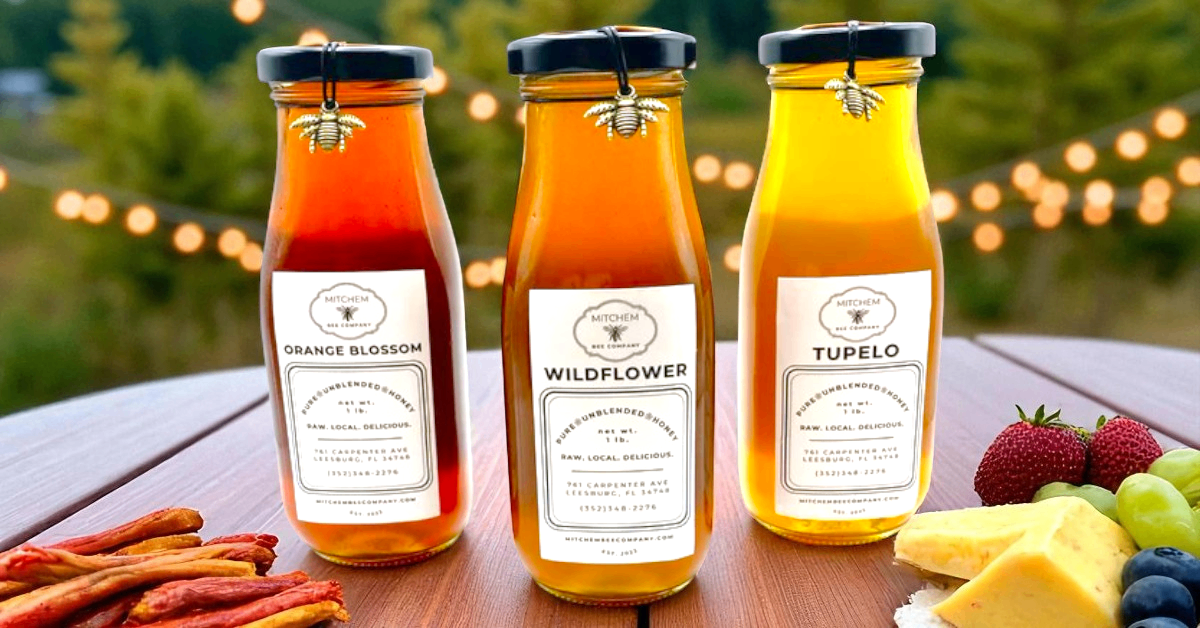
At Mitchem Bee Company, we know that every jar of honey carries a story. Honey reflects the flowers available to the bees, the land surrounding the apiary, the season, and the care provided by the beekeeper. That is why we are so passionate about raw, unfiltered, single-origin honey.
The future honey from the library colonies will have its own story: one tied to Leesburg, its gardens, its volunteers, and the people who came together to make the project possible.
The Mitchem Difference Starts With Healthy Hives
For us, contributing to the library project is about much more than placing hives on a roof. It is about supporting healthy colonies and helping people understand why bees matter.
Our approach to beekeeping is grounded in a few non-negotiable principles:
- Healthy hives come first.
- Bees deserve responsible, ethical care.
- Honey should be handled with respect.
- Local communities can make a real difference.
- Pollinator protection belongs to everyone.
At Mitchem Bee Company, we hand-harvest honey and focus on quality over quantity. Our honey is always raw and unfiltered: never heated or heavily processed. Our Mitchem Difference is rooted in careful beekeeping, honest sourcing, and a deep respect for the work bees do every day.
That same care belongs in a community project like the Leesburg Library apiary.
The goal is not simply to produce honey. The goal is to create healthy colonies, support the surrounding environment, and show people what responsible beekeeping can look like.
“Mow Less, Plant More, Don’t Spray”
Our philosophy for pollinator protection is easy to remember:
> Mow less, plant more, don’t spray.
It is a simple message, but it offers practical steps almost anyone can take.
Mow less
Allowing parts of your yard to grow a little more naturally can give bees and butterflies access to additional food and shelter. You do not need to stop caring for your property. Simply consider leaving a small section unmowed or reducing how frequently you cut certain areas.
Plant more
Choose flowering plants that bloom at different times throughout the year. Native plants are excellent choices, but many pollinator-friendly flowers can help provide nectar and pollen. The vibrant Zinnia Elegans mix planted at the library is a wonderful example of how color and habitat can work together.
Don’t spray
Pesticides and herbicides can harm the very insects gardens are meant to support. Before spraying, consider whether there is a less harmful alternative: or whether the treatment is necessary at all.
The library garden gives visitors a visible example of these principles in action. Flowers attract pollinators. Hives provide a home for honey bees. Volunteers create the connection between the project and the people who visit.

Photo courtesy of the Daily Commercial, by Julie Garisto.
A Small Project With a Big Message
Four beehives may not sound like a massive operation. That is exactly the point.
Pollinator protection does not always begin with a large organization or an enormous piece of land. It can begin with four hives on a rooftop. It can begin with a garden planted by volunteers. It can begin with one family deciding to leave a patch of flowers growing in the yard.
The Leesburg Library project shows how small actions become more powerful when people work together.
Leesburg in Bloom planted the garden. Volunteers painted the hives. Local beekeepers contributed bees and equipment. Library leaders welcomed the project. Community members gathered for a butterfly release. The honey harvest will help support the library.
Every part matters.
This is also why buying from small, local businesses matters. When you choose raw Florida Wildflower Honey, Florida Orange Blossom Honey, or another single-origin honey variety, you are supporting careful beekeeping and the people who work to protect the landscapes bees depend on.
If you are searching for the best honey in Florida, start by asking better questions: Where was it harvested? Is it raw and unfiltered? Can you trace it to a specific floral source? Was it produced by a beekeeper who cares about healthy hives and a healthy environment?
Authenticity matters.
Why This Story Matters to Us
Mitchem Bee Company is a small, family-owned business. We know the value of showing up, lending a hand, and doing meaningful work close to home.
That is why this project feels so special.
The Leesburg Library rooftop hives are not just a source of future honey. They are a source of conversation, curiosity, education, and community pride. They give people another reason to look closely at the natural world: and another reason to protect it.
We are grateful to Leesburg in Bloom, the library, the volunteers, local leaders, and everyone who helped bring this project to life. We are especially thankful for the opportunity to work alongside Billy Fussell and contribute to a project that will continue serving the community long after the butterfly release has ended.
The next time you visit the Leesburg Library, look toward the roof. You may spot four brightly painted hives through the second-floor windows.
And when you see them, remember:
Healthy communities need healthy pollinators.
You can help, too. Mow less, plant more, don’t spray. Support local beekeepers. Plant something that blooms. Leave room for bees, butterflies, and the many other pollinators that keep our world growing.
Thank you for caring about the bees: and for supporting the people who care for them.