

15 Native Florida Plants to Help Honey Bees Thrive in Your Backyard
You've seen the headlines. Bee populations are struggling. Habitat loss, pesticides, and manicured lawns are making it harder than ever for our fuzzy little pollinators to find the food they need. But here's the good news: you can make a real difference right in your own backyard.
At Mitchem Bee Company, we live by a simple philosophy: mow less, plant more, don't spray. It's not complicated. It's not expensive. And it works. When you fill your yard with native Florida plants, you're creating a buffet for honey bees: and you're directly supporting the production of incredible wildflower honey right here in the Sunshine State.
Ready to turn your backyard into a bee paradise? Let's dig in.
Why Native Plants Matter for Florida Bees
Here's the thing: honey bees didn't evolve alongside ornamental roses and exotic shrubs. They evolved alongside native wildflowers, shrubs, and trees that have been growing in Florida for thousands of years. These plants produce the nectar and pollen that bees recognize, crave, and thrive on.
When you plant natives, you're not just helping bees survive. You're helping them flourish. And when bees flourish? They produce more honey. Better honey. The kind of raw, single-origin wildflower honey that makes Florida famous.
Plus, native plants are adapted to our climate. They need less water, less fertilizer, and zero pesticides to thrive. That means less work for you and a healthier environment for everyone.
Spring Bloomers: Early Season Fuel for Hungry Bees
After a mild Florida winter, bees emerge hungry and ready to work. These early bloomers give them exactly what they need.
1. American Holly (Ilex opaca)
This gorgeous native tree blooms from March through June and can reach up to 60 feet tall. When those white flowers open up, they become absolutely loaded with bees. American Holly is one of the most important plants for early-emerging bees, and it tolerates sun or shade in almost any soil except clay.
2. New Jersey Tea (Ceanothus americanus)
Don't let the name fool you: this 1-3 foot shrub is perfectly at home in Florida. It blooms in March and April with clusters of delicate white flowers that bees can't resist. It's compact, adaptable, and perfect for smaller gardens.
3. Lady Lupine (Lupinus perennis)
Found naturally in Florida's sandhills, Lady Lupine is an early bloomer that provides essential nectar when bees need it most. Those purple-blue flower spikes? Absolutely stunning: and absolutely irresistible to pollinators.
4. Coreopsis (Coreopsis lanceolata)
Florida's state wildflower deserves a spot in every bee-friendly garden. Those sunny yellow blooms appear in spring and attract butterflies and bees alike. If you want your yard to look like a Florida postcard while helping pollinators, Coreopsis is your plant.
Late Spring to Summer Bloomers: Peak Season Power
This is when things really get buzzing. Florida summers are long, hot, and perfect for these nectar-rich natives.
5. Butterflyweed (Asclepias tuberosa)
This native milkweed blooms from May through September with vibrant orange clusters that practically glow in the sunshine. Butterflyweed feeds monarch butterfly caterpillars and provides nectar and pollen for bees. It loves full sun and handles dry or moist soils like a champ.
6. Beautyberry (Callicarpa americana)
You might know Beautyberry for its striking purple berries in fall, but those clusters of pink flowers in May through July? Pure bee gold. This 3-6 foot shrub prefers part shade and moist soils, making it perfect for those shadier corners of your yard.
7. Common Elderberry (Sambucus canadensis)
Here's a plant that does double duty. Elderberry blooms in May and June with huge clusters of white flowers that bees adore. But it gets better: native bees actually nest inside the hollow stems. One plant provides both food and housing. That's efficiency.
8. Gallberry (Ilex glabra)
If you've ever tasted Gallberry honey, you know it's something special. This 6-12 foot native shrub blooms from June through September, and commercial beekeepers have relied on it for generations. When you plant Gallberry, you're growing the exact same flowers that create some of the best honey in Florida.
9. Spotted Bee Balm (Monarda punctata)
This aromatic wildflower blooms from early summer through fall and attracts an incredible variety of pollinators: bees, wasps, butterflies, you name it. The tiered lavender flowers look almost otherworldly, and bees go absolutely wild for them.
Summer to Fall Bloomers: Keeping Bees Fed Year-Round
Florida bees don't hibernate like their northern cousins. They're active most of the year, which means they need food sources well into fall and even winter.
10. Sabal Palmetto (Sabal palmetto)
Our official state tree isn't just a Florida icon: it's a bee magnet. When Sabal Palmettos bloom in June and July, they become absolutely covered in bees. If you have room for a 30-40 foot tree, this native palm is a no-brainer.
11. Rattlesnake Master (Eryngium aquaticum)
Those spiky blue-to-lavender flower heads bloom from summer through late fall and attract a plethora of pollinators, especially bees. It's unique, it's eye-catching, and it fills a critical gap in the late-season nectar supply.
12. Snow Squarestem (Melanthera nivea)
This unassuming plant is a pollinator powerhouse. It blooms from summer through early winter: and in some areas, it can bloom year-round. Bees, butterflies, and other pollinators flock to those small white flowers non-stop.
13. Frostweed (Verbesina virginica)
Blooming in late summer through fall, Frostweed fills your garden with white flower clusters that attract bees, butterflies, and beneficial insects. It's especially valuable when other plants have stopped blooming.
Vining Plants: Vertical Bee Food
Don't forget to use your vertical space. These native vines provide nectar-rich flowers while adding beauty to fences, trellises, and arbors.
14. Coral Honeysuckle (Lonicera sempervirens)
Unlike its invasive Japanese cousin, Coral Honeysuckle is 100% native and produces colorful red-orange tubular flowers that bloom most of the year. Hummingbirds love it, and bees appreciate the extended nectar season.
15. Maypop (Passiflora incarnata)
Florida's native passionflower vine produces some of the most stunning flowers you'll ever see: intricate purple and white blooms that look almost tropical. They're nectar-rich, bloom throughout the growing season, and support local wildlife year-round.
How Your Garden Supports Local Honey Production
Here's where it all comes together.
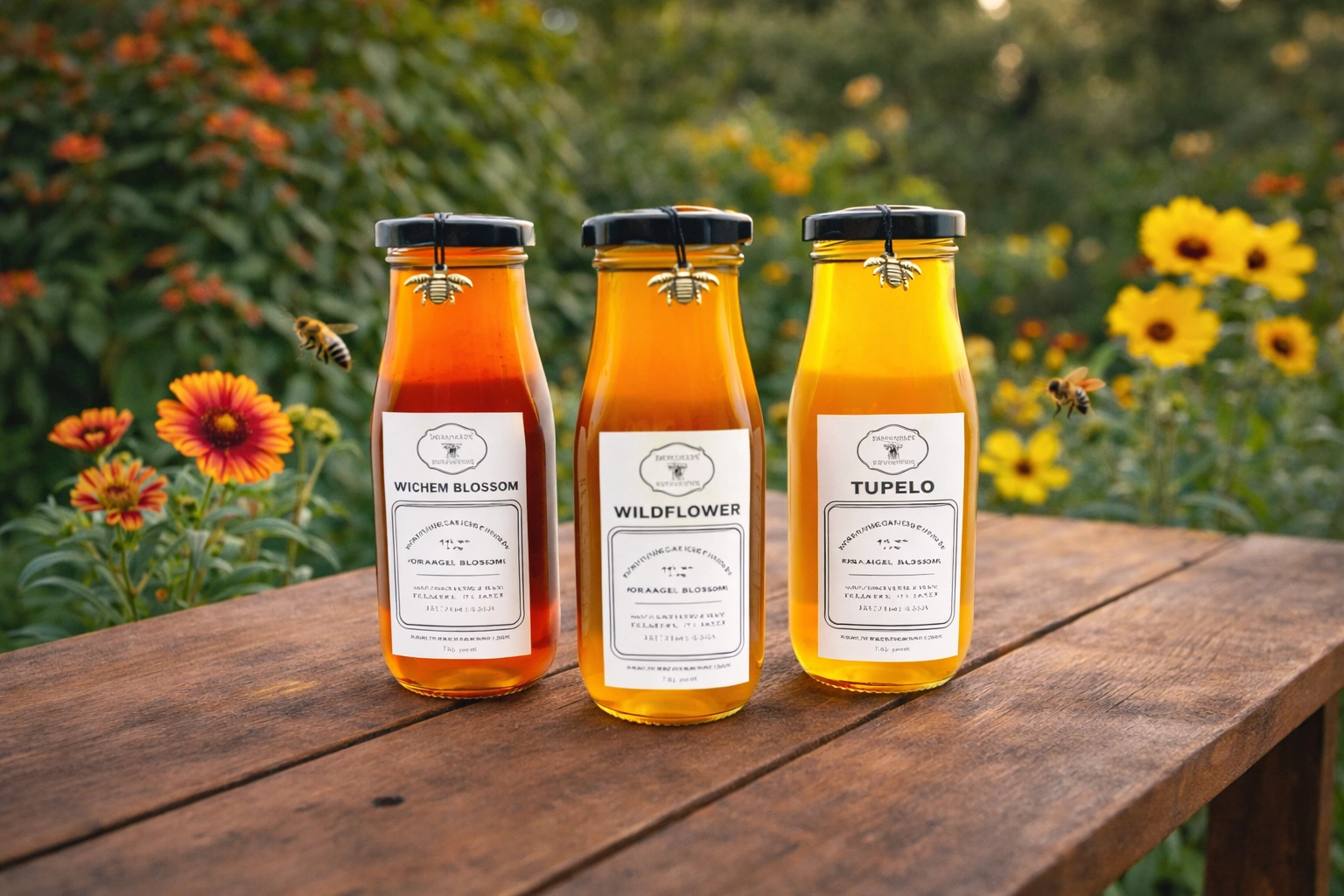
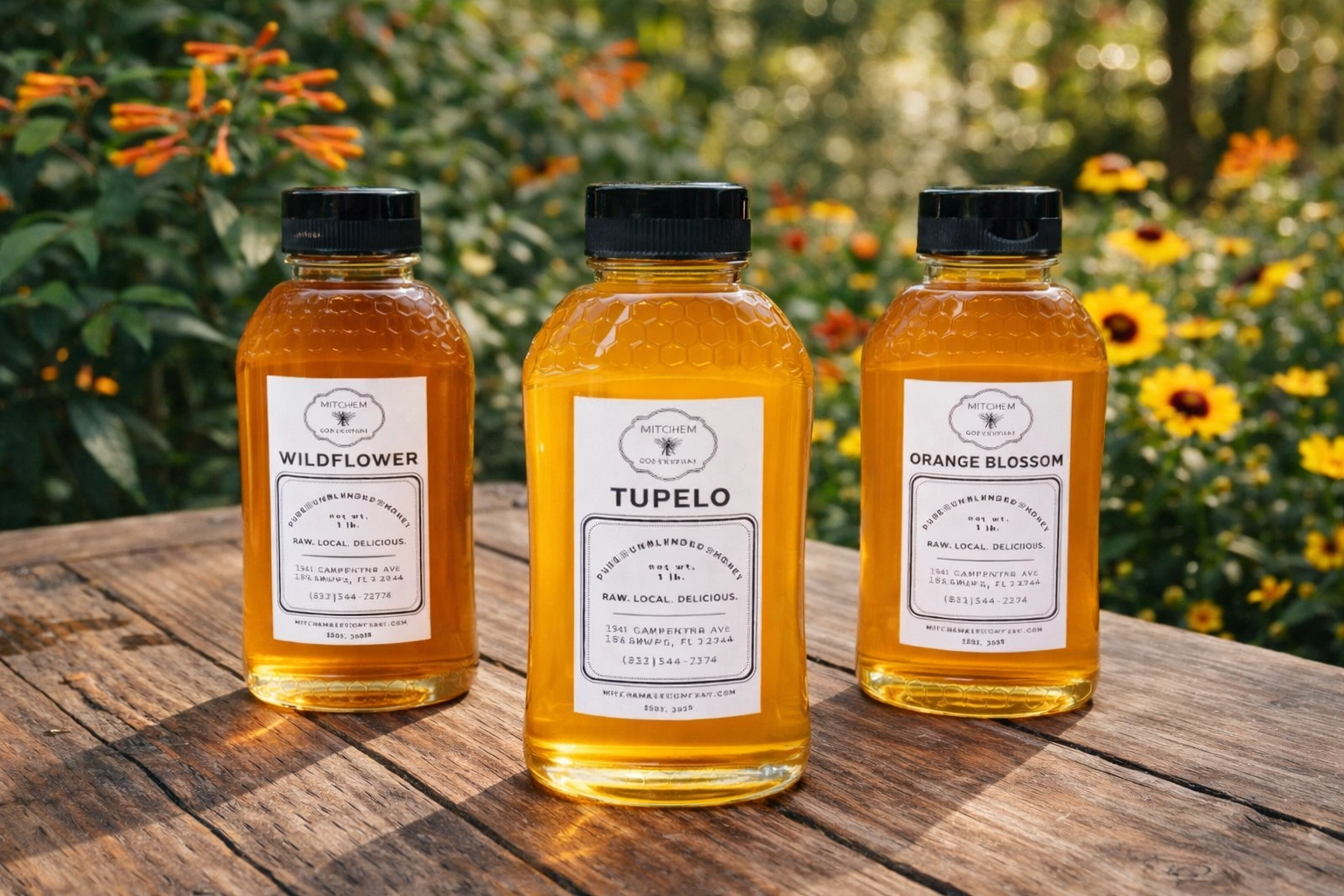
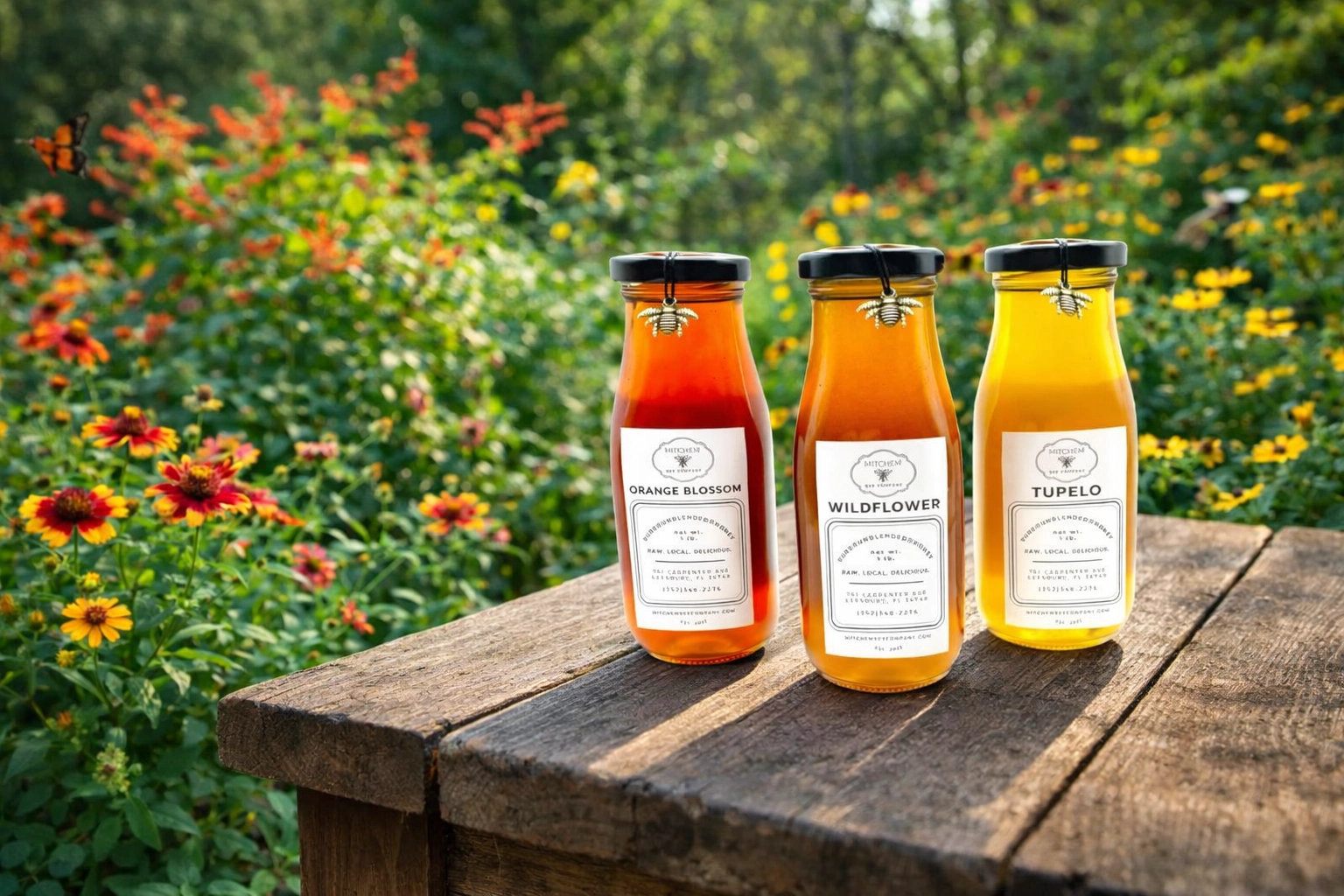
When you plant these native Florida species, you're creating forage for honey bees. Those bees visit your flowers, collect nectar, and bring it back to the hive. That nectar becomes wildflower honey: the complex, flavorful, deeply satisfying honey that captures the essence of Florida.
Every native plant in your yard contributes to this process. You're not just gardening. You're actively supporting local beekeepers and helping produce some of the best honey in Florida.
That's the "mow less, plant more, don't spray" philosophy in action. Less manicured lawn means more habitat. More native plants mean more nectar. No pesticides mean healthier bees and purer honey.
Getting Started: Tips for Your Bee Garden
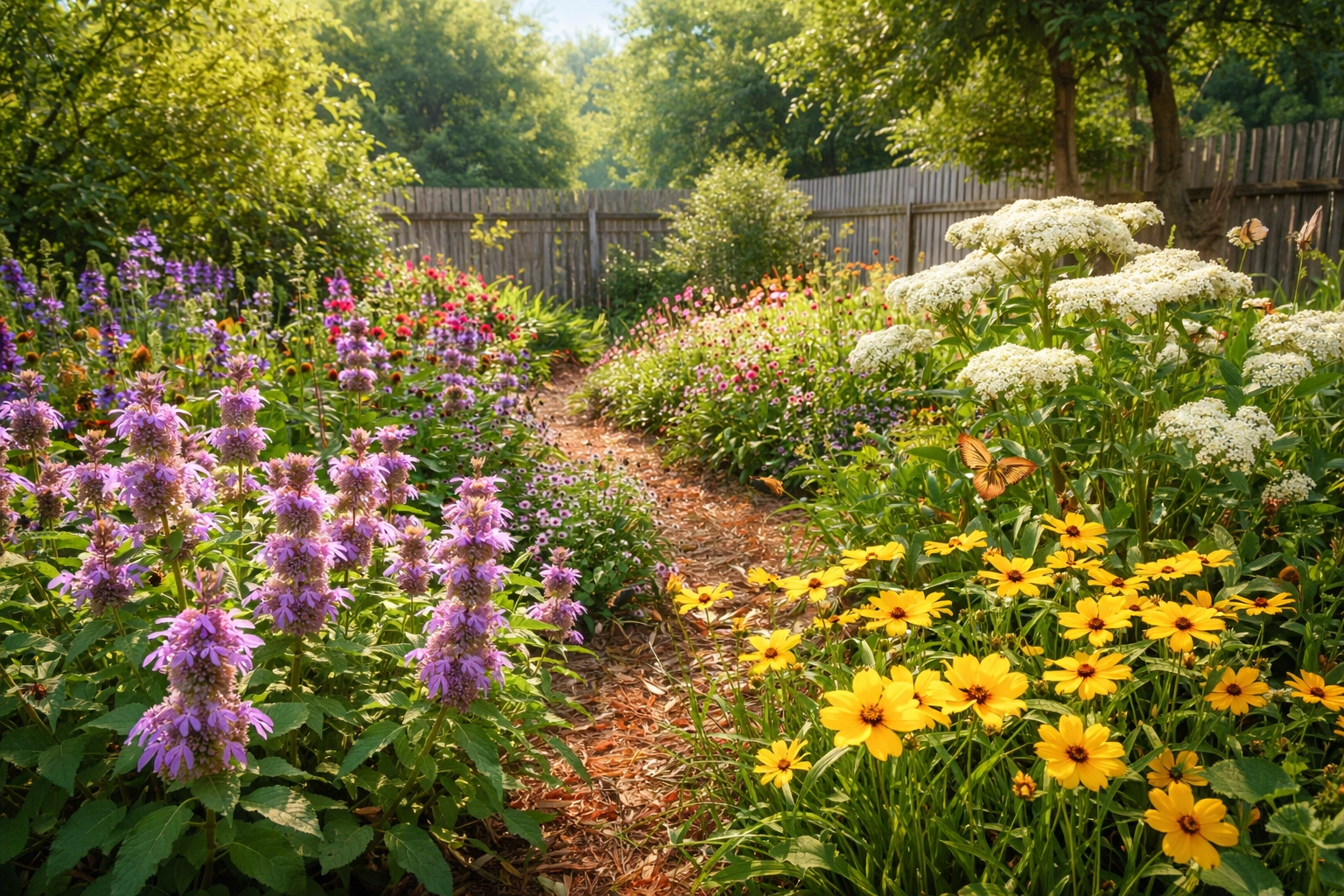
Start small. You don't need to transform your entire yard overnight. Even a few native plants make a difference.
Stagger bloom times. Mix spring, summer, and fall bloomers to provide food sources all year long.
Skip the pesticides. Seriously. Bees are incredibly sensitive to chemicals. If you must treat a pest problem, choose organic options and apply them in the evening when bees aren't active.
Leave some bare ground. Many native bees nest in soil. A small patch of undisturbed, well-drained ground gives them a place to call home.
Embrace the "messy." A perfect lawn is a bee desert. Let things grow a little wild. Your bees: and your honey: will thank you.
Join the Movement
Every flower you plant is a vote for healthier bees, better ecosystems, and incredible Florida honey. You're not just beautifying your yard: you're becoming part of something bigger.
Ready to taste the difference that thriving bees make? Explore our raw, single-origin Florida honey and experience what real wildflower honey should taste like.
Thanks for caring about our bees. They need more friends like you.